Advanced Tree Pruning Techniques for Optimal Growth and Health Jan 28, 2026
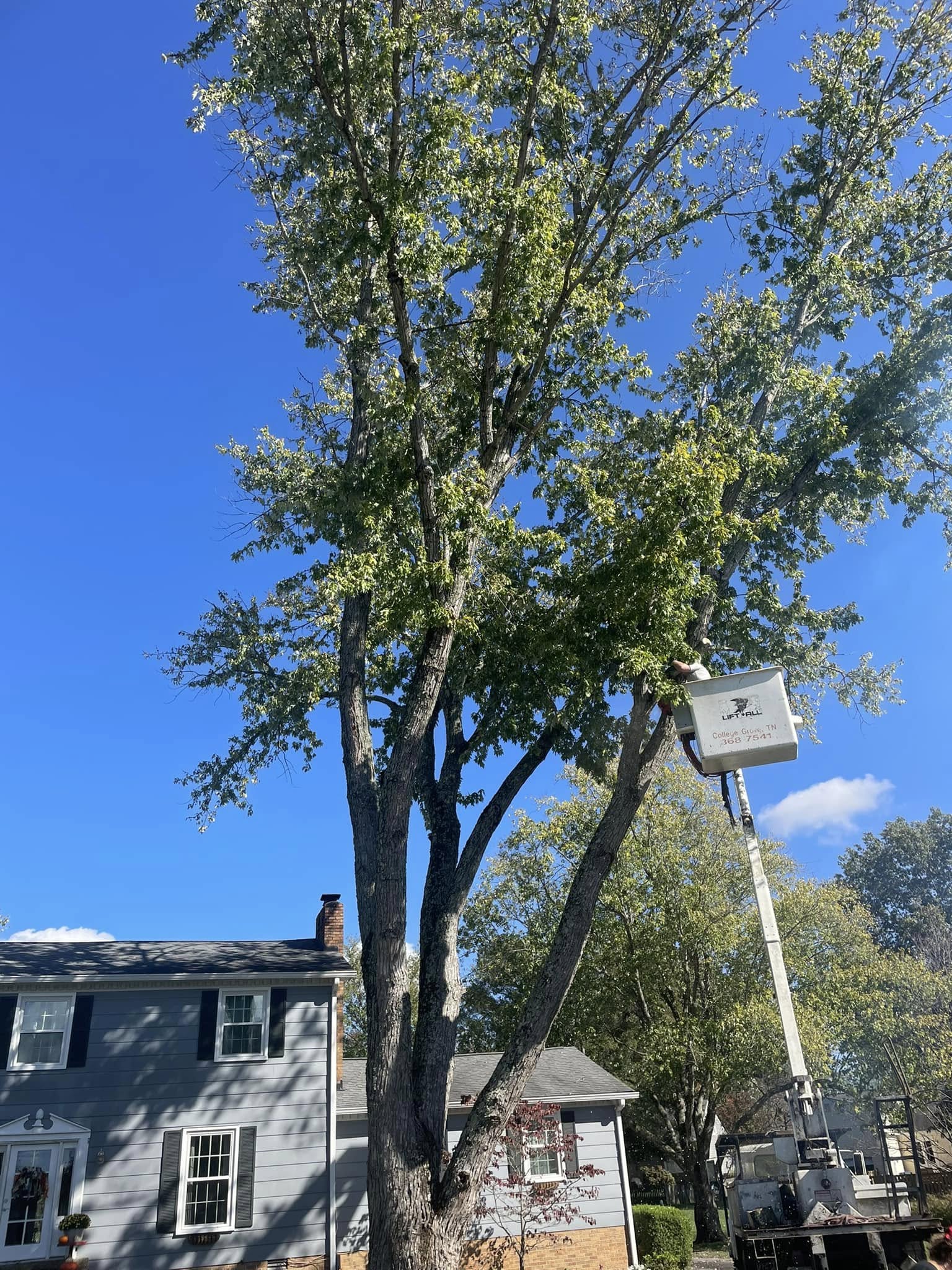
Pruning is not just about cutting away branches; it's a science that requires precision and timing. One of the most effective techniques is crown thinning. This method involves selectively removing branches to increase light penetration and air movement throughout the crown. By doing so, you reduce the weight on longer branches and the risk of breakage during strong winds. Crown thinning is perfect for trees with a dense canopy, as it helps stimulate growth while maintaining the tree's natural shape.
Another vital technique is crown raising, especially useful for trees located near pathways or driveways. This process involves removing the lower branches of the tree, ensuring there is ample clearance underneath. Not only does it improve access and visibility, but it also encourages new growth higher up the trunk. When done correctly, crown raising can lead to a more aesthetically pleasing even canopy.
For those dealing with mature trees that may have suffered damage, restorative pruning is an excellent approach. Over time, trees can sustain various forms of damage due to storms, disease, or improper pruning in the past. Restorative pruning aims to remove dead, diseased, or poorly attached branches, allowing the tree to focus energy on healthy growth. It is crucial to conduct this type of pruning gradually over several years, so as to not shock the tree.
When it comes to young trees, developmental pruning is paramount. Trees are much like children in that formative years are critical to their future structure and health. Begin by identifying the central leader, the main vertical branch, and ensure it remains dominant over the secondary branches. Regularly prune competing branches and remove any deadwood. This is essential for encouraging a solid framework and a robust tree structure.
Timing your pruning is an often underestimated factor in tree health. Generally, winter is considered the best time for most pruning. During dormancy, trees are less vulnerable to stress and diseases following cuts. However, avoid pruning during exceptionally cold periods as this can harm young shoots and cause dieback. Some species, such as maples and birches, bleed excessively when pruned in late winter or early spring. It’s best to prune these trees in mid-summer.
Equipping yourself with the right tools is equally crucial. Invest in clean, sharp pruning tools that fit comfortably in your hand. This minimizes the effort required and helps make precise cuts, reducing stress on the tree. Ensure that your tools are disinfected before use, especially when moving from tree to tree, to prevent the spread of disease.
In conclusion, advanced tree pruning techniques are invaluable for promoting the optimal growth and health of your trees. From selecting the right technique to choosing the best time for pruning, these steps help maximize the potential of your trees. For all your tree care needs, from expert advice to professional services, Jace’s Tree & Stump Removal is here to assist you every step of the way. Your trees deserve the best care to thrive in their environment, enhancing your property's beauty and health.
/filters:no_upscale()/filters:format(webp)/media/8785d7d0-a572-4ad3-bd7a-dcee91b91f01.jpg)
/filters:no_upscale()/filters:format(webp)/media/5845675c-80ae-461c-be7d-2949edaa1f30.jpg)