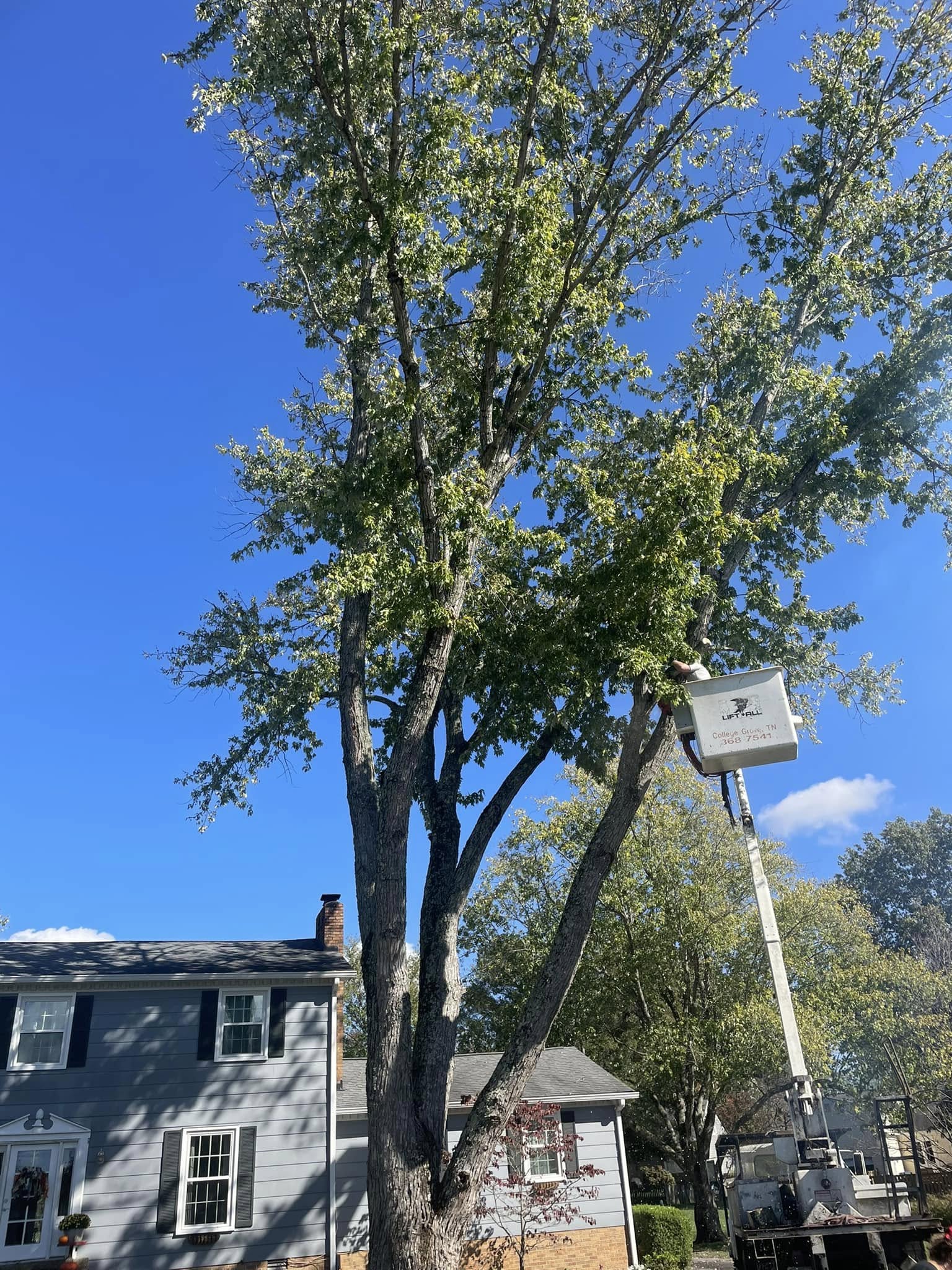
Mastering Tree Risk Assessments: A Guide from Jace’s Tree & Stump Removal Nov 15, 2025
Understanding the Importance of Tree Risk Assessments
Trees are magnificent natural assets, providing shade, beauty, and ecological benefits. However, they can also pose significant risks if not properly maintained. A tree risk assessment evaluates the potential hazards that trees could present. This includes assessing the likelihood of a tree or its parts falling and the potential consequences of such an event. By conducting these assessments, you can prevent accidents and damage, ensuring a safer environment for everyone.
Key Elements of a Tree Risk Assessment
Effective tree risk assessments are comprehensive and consider multiple factors:
1. **Tree Health:** Examine the overall health of the tree. Are there signs of disease or decay? Look for dead branches, peeling bark, or fungal growth, which could indicate underlying issues.
2. **Structural Integrity:** Check the structure for visible defects like cracks or splits. The tree’s root system should also be inspected for stability, as root damage can directly affect the tree’s safety.
3. **Environmental Conditions:** Consider external factors such as soil condition, prevailing weather patterns, and the tree’s exposure to wind. Heavy winds and storms can exacerbate existing weaknesses, increasing the risk of limbs or entire trees falling.
4. **Target Area Assessment:** Identify what would be affected if the tree were to fail. This includes buildings, other trees, vehicles, power lines, or areas frequently visited by people.
Why Professional Tree Assessments Matter
While some tree risk factors are evident, others require expert evaluation. Professionals like those at Jace’s Tree & Stump Removal use specialized techniques and equipment, such as resistograph testing or aerial inspections, to assess the tree's condition comprehensively. Our team’s experience allows us to identify issues that may be invisible to the untrained eye, thus providing a more accurate risk assessment.
Regular Monitoring and Maintenance
Routine check-ups are vital in ensuring trees remain safe and healthy over time. Scheduling regular tree evaluations allows you to address issues early. Beyond assessments, effective maintenance – such as pruning, bracing, or even removing hazardous trees – can mitigate risks significantly.
Taking Action on Assessment Results
Once a tree risk assessment is completed, it’s important to act on the findings. Recommendations may range from simple pruning to removing a tree entirely. While the latter might seem drastic, removing a hazardous tree can prevent significant future damage, protecting your property and its occupants.
Conclusion
Mastering tree risk assessments involves understanding the potential dangers trees pose and implementing strategies to minimize these risks. At Jace’s Tree & Stump Removal, our priority is to help you maintain a safe and beautiful property. By conducting thorough evaluations and responding promptly to potential hazards, we ensure that your trees remain assets to your landscape rather than liabilities. For professional guidance or to schedule an assessment, reach out to our experienced team today. Protecting your home and loved ones starts with taking the right precautions.
/filters:no_upscale()/filters:format(webp)/media/8785d7d0-a572-4ad3-bd7a-dcee91b91f01.jpg)
/filters:no_upscale()/filters:format(webp)/media/5845675c-80ae-461c-be7d-2949edaa1f30.jpg)