Root to Crown: A Comprehensive Guide to Tree Maintenance Feb 18, 2026
The foundation of tree care begins with knowing your tree species and their specific needs. Different species require varying amounts of water, light, and nutrients. By understanding your tree’s unique characteristics, you can tailor your care approach to enhance its growth and vitality. Regular inspection is vital; look for signs of disease, pest infestations, or structural issues. Early detection of problems can prevent larger issues down the line, keeping your tree healthy and thriving.
Watering is one of the most fundamental aspects of tree maintenance. Young trees, in particular, require consistent watering as their root systems develop. Ensure the soil remains moist but not waterlogged. For mature trees, deep watering is more beneficial than frequent shallow watering, as it encourages deep root growth. It is essential to adjust your watering schedule based on the season and weather conditions to meet your trees' changing needs.
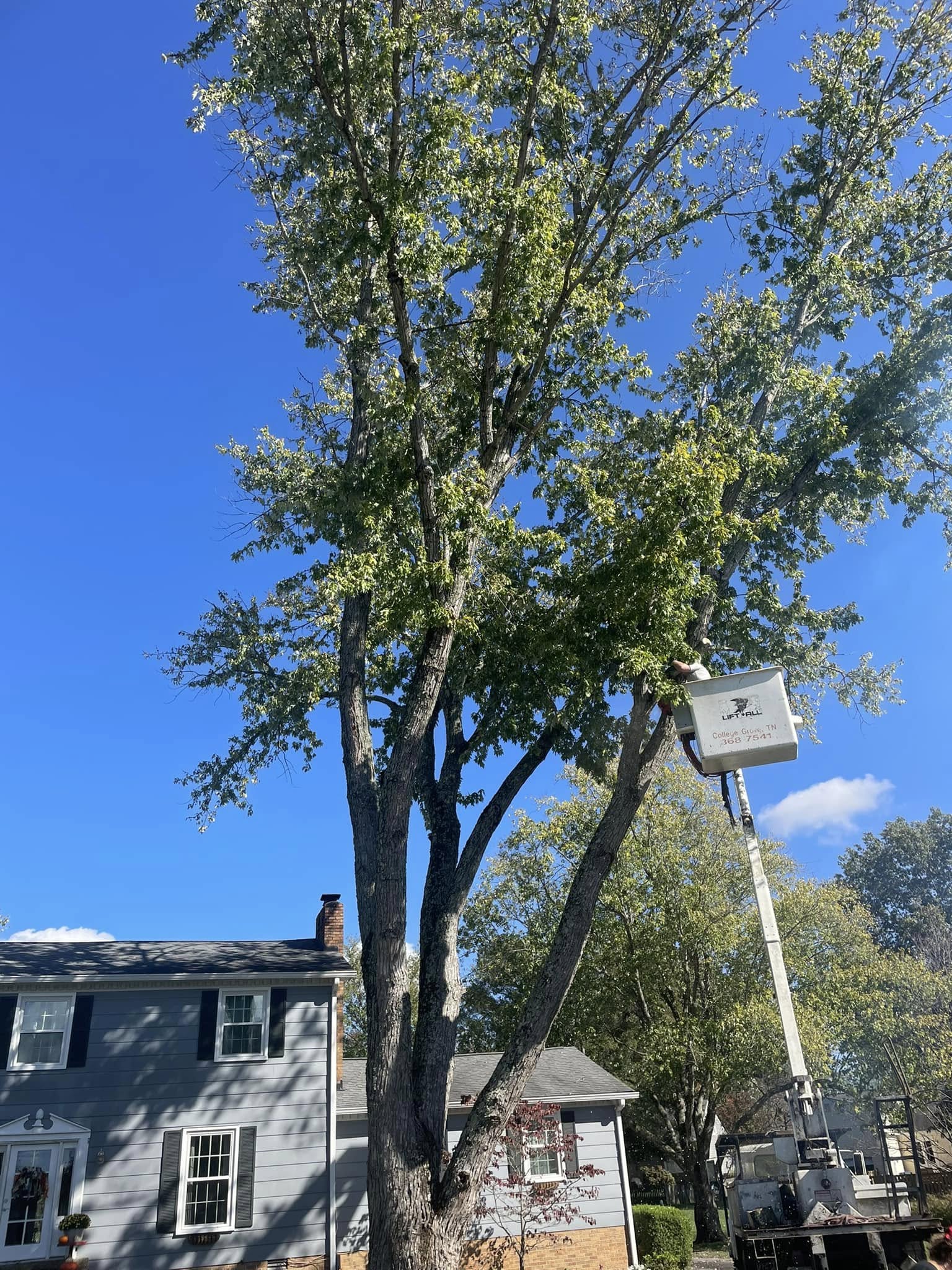
Pruning plays a pivotal role in tree maintenance and should be approached with both technique and timing in mind. Correct pruning enhances the tree’s structure, promotes growth, and prevents potential hazards. It’s recommended to prune during the dormant season when the tree’s energy is focused on roots and when there are fewer leaves to prune through. However, removing diseased, dead, or damaged branches can be done any time of the year. Proper pruning techniques involve cutting branches at the nodes to prevent unnecessary damage.
Mulching is not only aesthetically pleasing but also greatly beneficial for tree health. By applying a layer of mulch around the base of the tree, you help conserve moisture, regulate soil temperature, and reduce weed competition. When mulching, keep the material a few inches away from the trunk to prevent rot, and ensure the mulch layer is about two to four inches thick.
Fertilization is another vital step in maintaining tree vigor. While trees can often get nutrients from the soil, additional fertilization can address any deficiencies and promote healthy growth. Conduct a soil test to determine nutrient needs before applying fertilizer to avoid over-fertilization, which can harm your tree and the surrounding environment.
Lastly, understanding the potential threats to your trees is key in maintaining their health. Trees face various threats from insects, diseases, and environmental stressors. Developing a plan to manage these threats, be it natural predators for pests or protective barriers against harsh weather conditions, can significantly extend a tree’s life.
In conclusion, comprehensive tree maintenance requires knowledge, dedication, and a little bit of patience. By following these key practices, from watering and pruning to mulching and fertilizing, your trees can thrive from root to crown. If you need professional assistance, do not hesitate to contact Jace’s Tree & Stump Removal for expert advice and services tailored to your specific tree care needs. A well-maintained tree is not just a benefit to your landscape but a lasting legacy for future generations.
/filters:no_upscale()/filters:format(webp)/media/8785d7d0-a572-4ad3-bd7a-dcee91b91f01.jpg)
/filters:no_upscale()/filters:format(webp)/media/5845675c-80ae-461c-be7d-2949edaa1f30.jpg)