The Importance of Tree Canopy Management for Urban Heat Reduction Mar 05, 2026
The urban heat island effect is an all-too-familiar issue for many city dwellers. It describes the phenomenon where cities experience significantly warmer temperatures than their rural counterparts. This is largely due to an abundance of surfaces that absorb and retain heat, such as roads, buildings, and other infrastructures, combined with the scarcity of vegetation. A robust tree canopy provides the critical shade and cooling necessary to alleviate these heightened temperatures.
Trees serve as natural air conditioners, thanks to their ability to cool the air through a process known as evapotranspiration. Through this process, trees release water vapor into the air, which absorbs surrounding heat. A strategically managed tree canopy can lower urban temperatures by several degrees, making community spaces more comfortable and reducing the frequency of heat-related health issues. This cooling effect also lessens the demand for air conditioning in nearby buildings, leading to energy savings and reduced greenhouse gas emissions.
Strategically placed trees are not only vital for their cooling capabilities but also for their capacity to improve urban air quality. Trees filter pollutants from the air, providing cleaner oxygen for residents to breathe. This is especially important in cities, where air pollution levels can often reach unhealthy highs. A well-managed canopy can significantly diminish pollutants, improving overall public health.
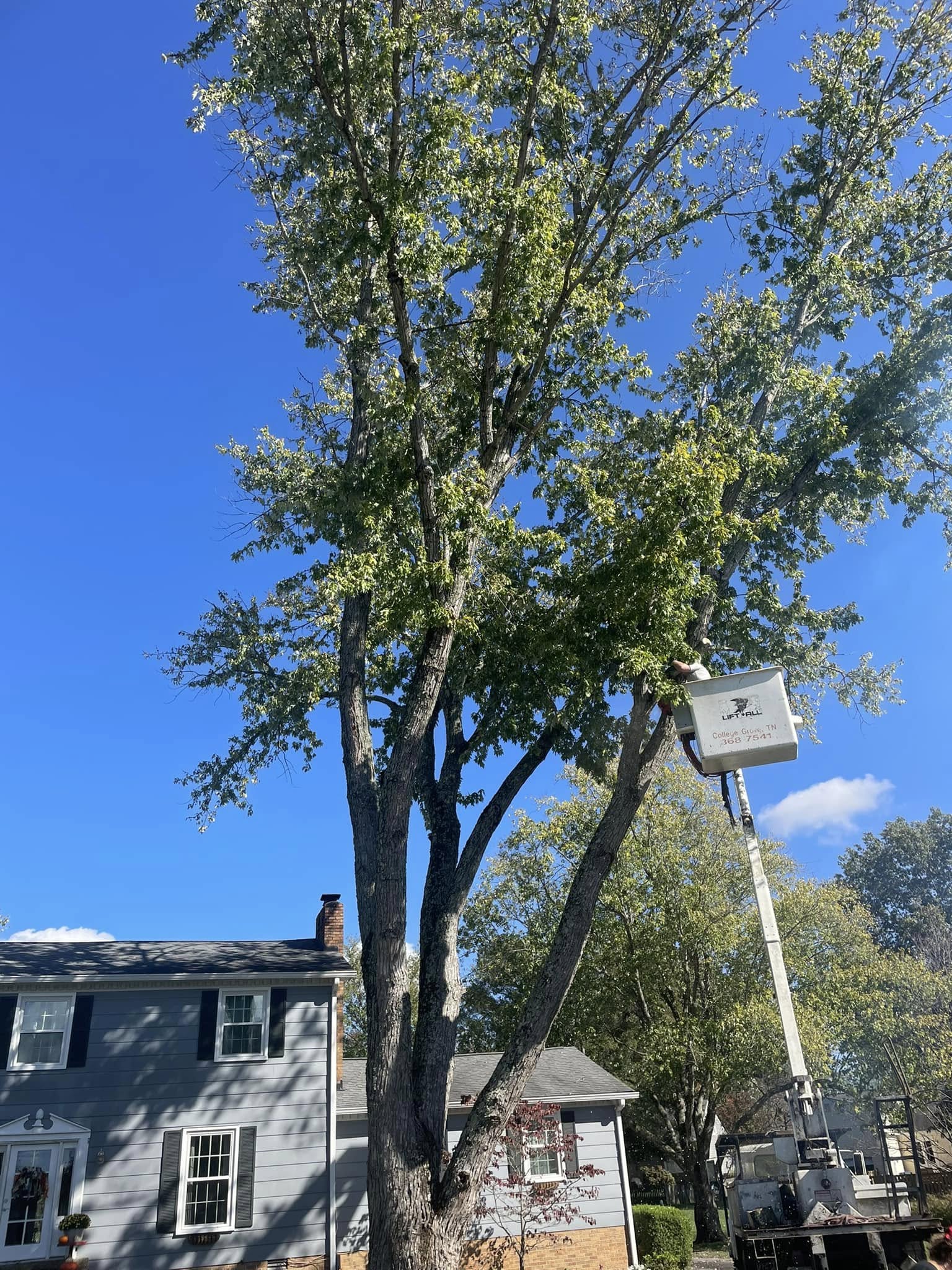
Furthermore, tree canopy management involves regular tree pruning and maintenance, which directly impacts urban aesthetics and safety. Proper pruning helps prevent potential hazards such as falling branches, ensuring public safety and protecting property. During harsh weather conditions, a well-maintained tree is less likely to suffer damage or cause accidents. Jace’s Tree & Stump Removal places great emphasis on these practices, helping urban areas maintain both beauty and safety.
Moreover, an effective tree canopy management strategy enhances biodiversity and resilience against climate change. A diverse tree canopy can support various wildlife species, contributing to a thriving urban ecosystem. Selecting a variety of tree species when planning an urban forest can also build resilience by reducing the risk of pest infestations and diseases that target specific species.
Residents and city planners should prioritize the preservation and expansion of tree canopies. This involves not only planting new trees but also caring for existing ones to ensure they reach full maturity and continue to provide their many benefits. Public investment in tree canopy programs can yield significant returns, from environmental to economic gains, making it a wise choice for any city looking to improve the quality of urban life.
In conclusion, the importance of tree canopy management in urban areas cannot be overstated. By lowering temperatures, improving air quality, enhancing safety, and supporting biodiversity, trees provide invaluable services that enrich modern life. At Jace’s Tree & Stump Removal, we are committed to promoting practices that sustain and enhance our urban forests, ensuring a healthier, cooler, and more pleasant urban environment for everyone. By working together, communities can leverage the power of tree canopies, turning today's urban challenges into opportunities for a greener, more sustainable future.
/filters:no_upscale()/filters:format(webp)/media/8785d7d0-a572-4ad3-bd7a-dcee91b91f01.jpg)
/filters:no_upscale()/filters:format(webp)/media/5845675c-80ae-461c-be7d-2949edaa1f30.jpg)