The Role of Tree Assessments in Climate Adaptation Strategies Feb 27, 2026
The increasing frequency of extreme weather conditions, rising temperatures, and shifting precipitation patterns all impact tree health. By conducting professional tree assessments, homeowners and municipalities can identify vulnerabilities and implement strategies to safeguard their landscapes against these changes. These assessments involve evaluating various factors such as tree species, age, health, and structural integrity.
One of the primary benefits of tree assessments is the early detection of pests and diseases that are exacerbated by climate shifts. Warmer climates have extended the survival and spread of invasive species that threaten native trees. By identifying such threats early, action can be taken to mitigate their impact, preserving the health of individual trees and the wider ecosystem.
Furthermore, tree assessments help in selecting tree species that are more resilient to future climate conditions. Certain species may no longer thrive under new climate scenarios, and assessments can guide the choice of trees to plant that are likely to withstand these changes. For instance, some trees may be more drought-resistant or possess a higher tolerance for wet soils. Planting a diverse range of resilient species can stabilize local ecosystems and prevent the future loss of tree canopy that is crucial for carbon sequestration and temperature regulation.
Tree assessments also play a pivotal role in urban planning and development. Urban areas are particularly vulnerable to the heat island effect, where the accumulation of concrete and asphalt leads to significantly higher temperatures. Trees provide essential cooling through shade and evapotranspiration. Conducting thorough assessments ensures trees in urban spaces are healthy and strategically placed to maximize their cooling benefits, improving urban livability and reducing energy consumption for cooling buildings.
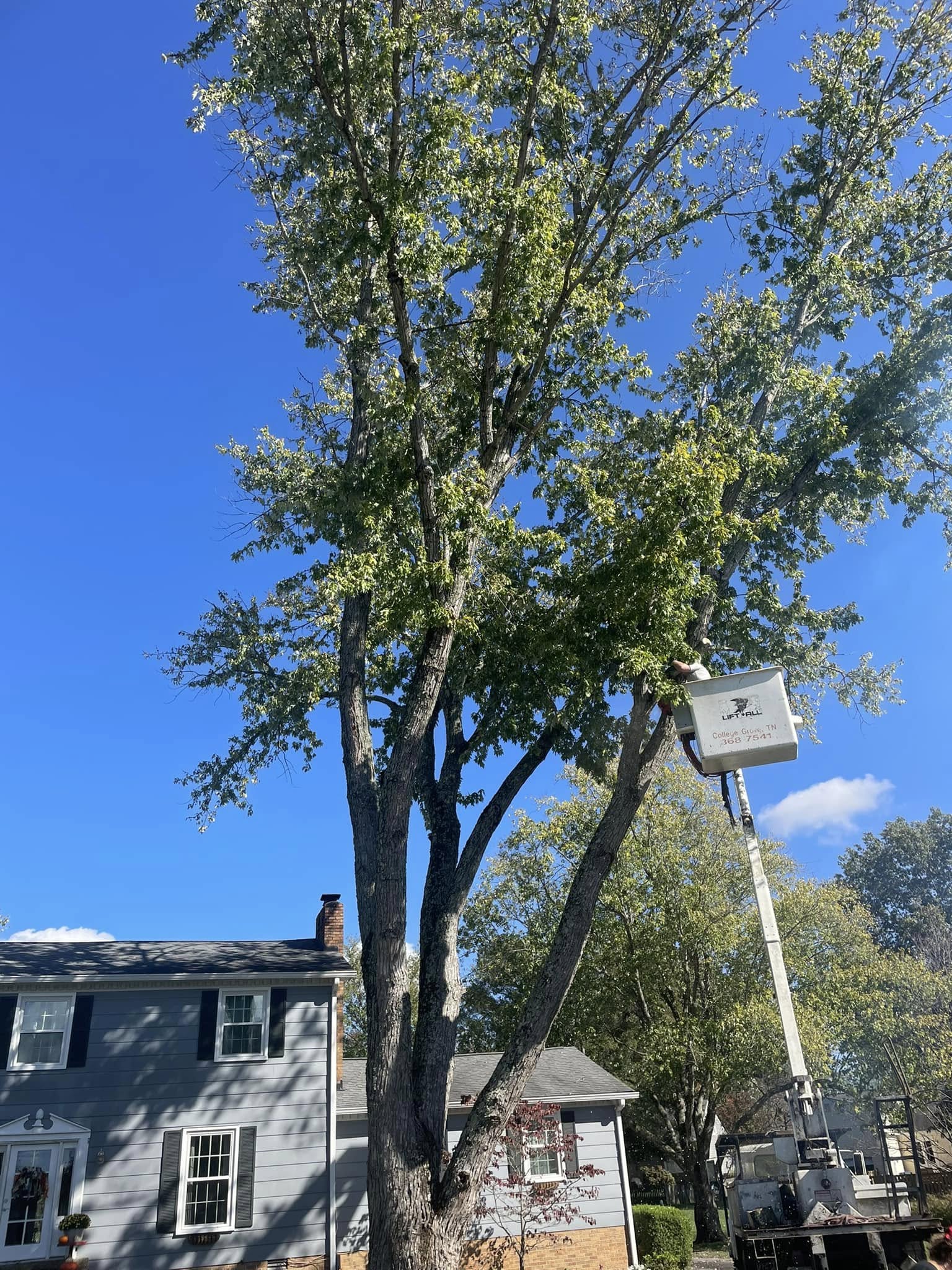
In the context of ensuring safety, tree assessments are invaluable. As climate change increases the frequency and intensity of storms, using assessments to evaluate tree stability can prevent property damage and personal injury from fallen branches or trees. Pruning or removing at-risk trees before extreme weather events can significantly reduce the risk of damage.
Regular tree assessments are not just a proactive measure; they are an essential part of adaptive management practices in response to climate change. For customers of Jace’s Tree & Stump Removal, investing in these assessments ensures that their landscapes are not only aesthetically pleasing but also resilient and safe.
In conclusion, tree assessments are a fundamental component of climate adaptation strategies. They offer numerous benefits from the early detection of diseases to enhancing urban planning efforts. By understanding and implementing the insights gained from these assessments, individuals and communities can take significant steps towards creating sustainable, climate-resilient environments. Partnering with experienced professionals like Jace’s Tree & Stump Removal can provide the necessary expertise to navigate these challenges effectively, ensuring long-term ecological health and safety for all.
/filters:no_upscale()/filters:format(webp)/media/8785d7d0-a572-4ad3-bd7a-dcee91b91f01.jpg)
/filters:no_upscale()/filters:format(webp)/media/5845675c-80ae-461c-be7d-2949edaa1f30.jpg)